<?xml version="1.0" encoding="utf-8"?><feed xmlns="http://www.w3.org/2005/Atom" ><generator uri="https://jekyllrb.com/" version="3.10.0">Jekyll</generator><link href="https://blog.seamspace.site/feed.xml" rel="self" type="application/atom+xml" /><link href="https://blog.seamspace.site/" rel="alternate" type="text/html" /><updated>2026-04-09T16:56:34+00:00</updated><id>https://blog.seamspace.site/feed.xml</id><title type="html">seamspace Blog</title><subtitle>seamspace - 새로운 기능 소개, 사용 사례, 그리고 더 많은 이야기</subtitle><entry xml:lang="en"><title type="html">How social-emotional learning changes teachers and classrooms</title><link href="https://blog.seamspace.site/en/sel-research-foundation/" rel="alternate" type="text/html" title="How social-emotional learning changes teachers and classrooms" /><published>2026-04-09T16:50:00+00:00</published><updated>2026-04-09T16:50:00+00:00</updated><id>https://blog.seamspace.site/en/sel-research-foundation</id><content type="html" xml:base="https://blog.seamspace.site/en/sel-research-foundation/"><![CDATA[<p>Can education that focuses on emotion and relationships truly change the classroom? And if it does, does that change stay only at the level of children’s feelings—or can it also reshape the way teachers interact, teach, and manage the learning environment?</p>

<p>At seamspace, we believe this question matters deeply. The reason we place emotion, relationships, and self-understanding at the center is not because they sound good in theory, but because there is growing research suggesting that these elements can lead to <strong>observable changes</strong> in real educational settings.</p>

<p><img src="/assets/images/research-sel/01.jpg" alt="Social-emotional learning research image" /></p>

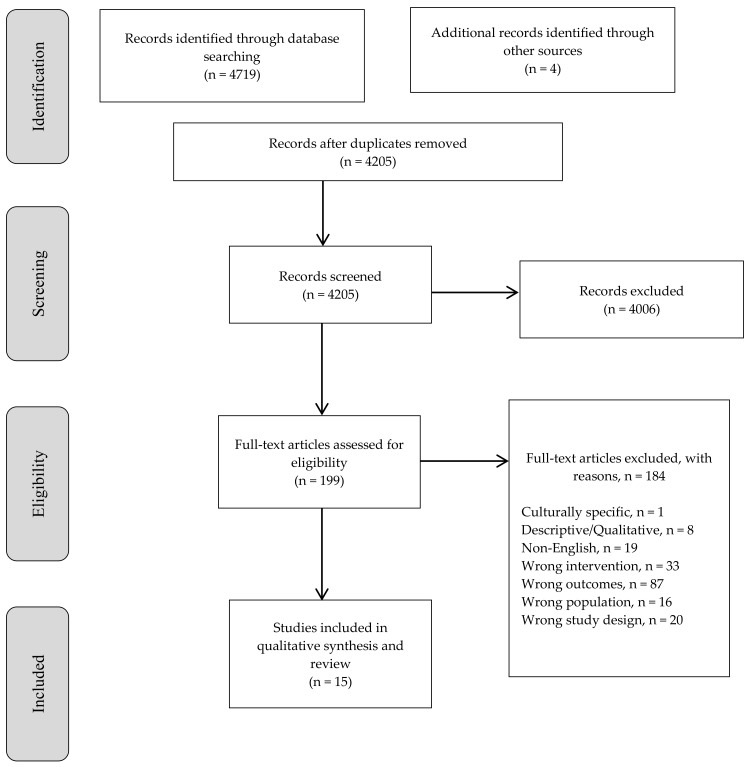
<p>A systematic review by Blewitt, O’Connor, Morris, Mousa, Bergmeier, Nolan, Jackson, Barrett, and Skouteris (2020) examined how <strong>curriculum-based social and emotional learning (SEL) programs</strong> in early childhood education and care affect teacher outcomes.</p>

<p>One of the most meaningful findings from this review is that SEL programs do not simply support children’s emotional development. They also appear to improve <strong>teacher behavior and overall classroom quality</strong>.</p>

<p>One result highlighted in the review was that teachers who delivered the <em>Tools of the Mind</em> curriculum showed significantly higher <strong>productivity</strong>, meaning better management of instructional time and classroom routines, compared with control group teachers. Teacher <strong>sensitivity</strong>—the ability to respond to children and provide a secure emotional base—also moved in a more positive direction.</p>

<p>In addition, these teachers used more <strong>scaffolding techniques</strong>, created a richer <strong>literacy learning environment</strong>, and received higher scores on broader measures of classroom quality.</p>

<p>Another analysis suggested that teachers in intervention groups became less <strong>harsh or critical</strong>, and less <strong>inconsistent or overly permissive</strong> over time. At the same time, they appeared more <strong>warm and affectionate</strong>, and placed greater emphasis on <strong>social-emotional teaching</strong> in their classrooms.</p>

<p>This is closely aligned with what seamspace sees as essential. Emotion and relationships are not secondary add-ons to education. They can become a central force that shapes the <strong>quality of interaction</strong> and the <strong>emotional climate</strong> of the classroom itself.</p>

<p>This is why seamspace looks carefully at daily records, emotions, and relational patterns. Understanding a child’s day is not just about identifying a temporary feeling. It is also about seeing how that feeling emerged within relationships, what emotional patterns are repeated over time, and how teachers and caregivers can respond in ways that create a safer and warmer environment.</p>

<p>Education is often discussed as if it were only about delivering knowledge. But real classrooms are emotionally dense spaces. Children learn better when they feel safe, and teachers are more responsive and consistent when the emotional environment is better regulated. Research helps make that connection visible.</p>

<p>For that reason, seamspace does not treat emotional records and social-emotional understanding as optional features. They are part of the foundation for understanding children more deeply and, ultimately, for building <strong>healthier classrooms and better interactions</strong>.</p>

<p>Going forward, seamspace will continue to build on this kind of research—not just to analyze emotion technically, but to support meaningful change in real educational practice.</p>

<hr />

<p><strong>Reference</strong><br />
Blewitt, C., O’Connor, A., Morris, H., Mousa, A., Bergmeier, H., Nolan, A., Jackson, K., Barrett, H., &amp; Skouteris, H. (2020). <em>Do curriculum-based social and emotional learning programs in early childhood education and care strengthen teacher outcomes? A systematic literature review.</em> International Journal of Environmental Research and Public Health, 17(3), 1–23.</p>]]></content><author><name>seamspace Team</name></author><category term="SEL" /><category term="research" /><category term="teachers" /><category term="social-emotional-learning" /><category term="education" /><summary type="html"><![CDATA[Based on research on curriculum-based SEL programs, this post explains why seamspace treats emotion, relationships, and self-understanding as foundational—not optional—in education.]]></summary></entry><entry xml:lang="ko"><title type="html">사회정서학습은 교사와 교실을 어떻게 바꾸는가</title><link href="https://blog.seamspace.site/ko/sel-research-foundation/" rel="alternate" type="text/html" title="사회정서학습은 교사와 교실을 어떻게 바꾸는가" /><published>2026-04-09T16:50:00+00:00</published><updated>2026-04-09T16:50:00+00:00</updated><id>https://blog.seamspace.site/ko/sel-research-foundation</id><content type="html" xml:base="https://blog.seamspace.site/ko/sel-research-foundation/"><![CDATA[<p>아이의 감정과 관계를 다루는 교육은 정말 교실을 바꿀 수 있을까요? 그리고 그런 변화는 단지 아이들의 정서에만 머무를까요, 아니면 교사의 태도와 교실 운영 방식까지 함께 바꿔놓을까요?</p>

<p>seamspace는 이 질문이 매우 중요하다고 생각합니다. 우리가 감정, 관계, 자기이해를 중요한 축으로 보는 이유는 그것이 단지 “좋은 이야기”이기 때문이 아니라, 실제 교육 환경에서 <strong>관찰 가능한 변화</strong>를 만들어낼 수 있다는 연구적 근거가 있기 때문입니다.</p>

<p><img src="/assets/images/research-sel/01.jpg" alt="사회정서학습 리서치 이미지" /></p>

<p>Blewitt, O’Connor, Morris, Mousa, Bergmeier, Nolan, Jackson, Barrett, Skouteris(2020)는 유아교육·보육 환경에서 이루어진 <strong>교육과정 기반 사회정서학습(SEL) 프로그램</strong>이 교사에게 어떤 영향을 미치는지를 체계적으로 검토했습니다.</p>

<p>이 리뷰에서 특히 인상적인 부분은, 사회정서학습 프로그램이 단지 아이들의 감정 이해를 돕는 수준을 넘어 <strong>교사의 실제 행동과 교실의 질</strong>에도 긍정적인 영향을 준다는 점입니다.</p>

<p>연구에서 소개된 결과 중 하나는, <em>Tools of the Mind</em> 교육과정을 적용한 교사들이 비교집단에 비해 <strong>생산성</strong>, 즉 수업 시간과 루틴을 관리하는 능력에서 더 높은 수준을 보였다는 점입니다. 또한 교사의 <strong>민감성</strong>—아이에게 반응적으로 대응하고, 심리적으로 안전한 기반을 제공하는 능력—도 더 긍정적인 방향을 보였습니다.</p>

<p>뿐만 아니라 이 교사들은 비교집단보다 더 많은 <strong>scaffolding(발판 제공)</strong> 기법을 사용했고, 더 풍부한 <strong>문해 학습 환경</strong>을 만들었으며, 교실의 전반적 질을 평가하는 지표에서도 더 높은 점수를 받았습니다.</p>

<p>또 다른 분석에서는 중재 집단의 교사들이 시간이 지나며 <strong>거칠거나 비판적인 태도</strong>, 혹은 <strong>일관성 없거나 지나치게 허용적인 태도</strong>가 줄어드는 경향을 보였습니다. 반대로, 교사들은 더 <strong>따뜻하고 애정적으로</strong> 보였고, 실제 수업 안에서 <strong>사회정서적 가르침</strong>에 더 큰 비중을 두게 되었습니다.</p>

<p>이 결과는 seamspace가 중요하게 보는 지점과 맞닿아 있습니다. 감정과 관계를 다루는 일은 단지 한두 번의 활동으로 끝나는 부가 요소가 아니라, <strong>교실 전체의 상호작용 방식과 정서적 분위기</strong>를 바꾸는 핵심 요소가 될 수 있다는 것입니다.</p>

<p>seamspace는 바로 이런 관점에서 기록과 감정, 관계의 흐름을 바라봅니다. 아이의 하루를 이해하는 것은 단지 아이 개인의 기분을 읽는 일이 아닙니다. 그 감정이 어떤 관계 속에서 나타나는지, 반복되는 정서적 패턴이 무엇인지, 그리고 교사와 부모가 어떤 방식으로 반응할 때 더 안전하고 따뜻한 환경이 만들어지는지를 함께 보는 일입니다.</p>

<p>우리는 종종 교육을 지식 전달의 문제로만 생각하지만, 실제 교실은 감정과 관계의 밀도가 매우 높은 공간입니다. 아이는 안전하다고 느낄 때 더 배우고, 교사는 정서적으로 조율된 환경 안에서 더 민감하고 일관된 상호작용을 할 수 있습니다. 연구는 바로 이 연결을 보여줍니다.</p>

<p>그래서 seamspace는 감정 기록과 사회정서적 이해를 단순한 부가 기능으로 보지 않습니다. 이것은 아이를 더 잘 이해하기 위한 도구이자, 궁극적으로는 <strong>더 건강한 교실과 더 좋은 상호작용</strong>을 만들기 위한 기반입니다.</p>

<p>앞으로도 seamspace는 이런 연구적 근거를 바탕으로, 감정과 관계를 기술적으로만 다루는 것이 아니라 실제 교육 현장에서 의미 있는 변화로 이어질 수 있는 방식으로 제품을 다듬어가려 합니다.</p>

<hr />

<p><strong>Reference</strong><br />
Blewitt, C., O’Connor, A., Morris, H., Mousa, A., Bergmeier, H., Nolan, A., Jackson, K., Barrett, H., &amp; Skouteris, H. (2020). <em>Do curriculum-based social and emotional learning programs in early childhood education and care strengthen teacher outcomes? A systematic literature review.</em> International Journal of Environmental Research and Public Health, 17(3), 1–23.</p>]]></content><author><name>seamspace Team</name></author><category term="SEL" /><category term="research" /><category term="교사" /><category term="사회정서학습" /><category term="감정교육" /><summary type="html"><![CDATA[사회정서학습(SEL) 프로그램이 교사의 상호작용, 수업 운영, 교실 분위기에 어떤 변화를 만드는지 보여주는 연구를 바탕으로, seamspace가 왜 감정과 관계를 중요한 축으로 보는지 설명합니다.]]></summary></entry><entry xml:lang="en"><title type="html">Why LBTI began with the record of everyday life</title><link href="https://blog.seamspace.site/en/lbti-behind-story/" rel="alternate" type="text/html" title="Why LBTI began with the record of everyday life" /><published>2026-04-09T16:00:00+00:00</published><updated>2026-04-09T16:00:00+00:00</updated><id>https://blog.seamspace.site/en/lbti-behind-story</id><content type="html" xml:base="https://blog.seamspace.site/en/lbti-behind-story/"><![CDATA[<p>How well do we really know ourselves?</p>

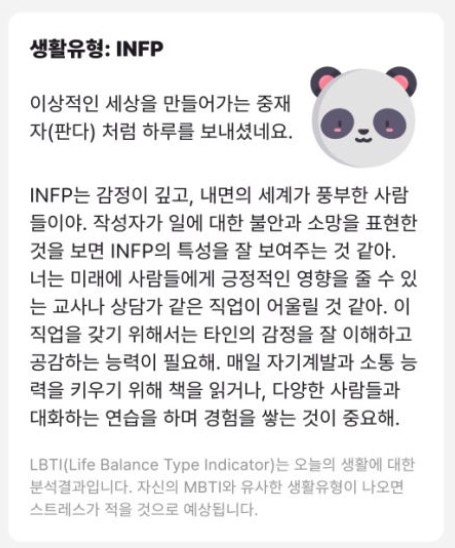
<p>When people want to understand themselves, they often turn to personality tests. Among them, 16-type personality tests have become especially familiar. A short set of questions produces a type, and the explanation often feels surprisingly accurate.</p>

<p>Still, one question remains: <strong>how accurately does that result really represent who we are?</strong></p>

<p><img src="/assets/images/lbti/01.jpg" alt="LBTI intro image 1" /></p>

<p>This question becomes even more important when we think about children. If a child around ten years old is still in the middle of learning how to understand themselves, how stable can a self-report personality result really be? The answers may change depending on the child’s mood that day, how they interpreted the question, or even how they wanted to be seen.</p>

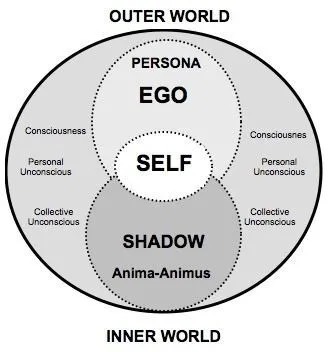
<p>That is why seamspace started thinking in a different direction. Maybe personality is revealed less by a single set of answers, and more by the <strong>repeated shape of everyday life</strong>.</p>

<p>Some people consistently notice social dynamics before anything else. Some react more strongly to novelty. Some become especially unsettled when the day moves away from what they expected. These patterns often become clearer not through one survey, but through the accumulation of daily records.</p>

<p><img src="/assets/images/lbti/02.jpg" alt="LBTI intro image 2" /></p>

<p>This is where LBTI began. Instead of looking at personality only through the lens of <strong>how I describe myself</strong>, we wanted to explore it through <strong>how I actually live, day after day</strong>.</p>

<p>When daily records accumulate, a personal baseline begins to appear. And once that baseline is visible, days that fall far from it begin to stand out too. On some days, a person may be far more sensitive than usual. On others, more withdrawn, more tired, or less like themselves. Those days may not simply be “bad days.” They may be days that felt especially hard because they were <strong>out of sync with one’s usual pattern</strong>.</p>

<p>This perspective matters. Instead of treating personality as a fixed label, it allows us to see both the <strong>patterns that consistently belong to someone</strong> and the <strong>temporary fluctuations that shape a particular day</strong>.</p>

<p>There is another important question here as well. Sometimes we feel that other people see us more objectively than we see ourselves. In some relationships, others may notice our habits and reactions more clearly than we do. At the same time, we may still be the person who best understands the reasons behind our inner feelings. So what is the “real” self?</p>

<p>At seamspace, we do not think the answer lives in only one place. <strong>The way I see myself</strong>, <strong>the way others see me</strong>, and <strong>the way I have actually lived</strong> each contain a different kind of truth. LBTI is an attempt to read one of those truths—the truth inside the record itself. Something more steady than a single answer, and sometimes more honest than a self-description.</p>

<p>We did not build LBTI to reduce people to a type. If anything, we built it to move away from overly simple conclusions like “this is just the kind of person I am.” Through repeated daily records, we want to understand something softer and more layered: <strong>in what situations does a certain side of me appear more often?</strong></p>

<p>That is why LBTI is closer to observation than testing. It looks less at a one-time choice and more at repeated ways of living. It reads not only self-declared identity, but also the trace of an actual day. And through that process, we begin to distinguish between the self we know well, the self we are becoming, and the self that sometimes feels unfamiliar.</p>

<p>In the end, LBTI is not simply asking, “What type of person are you?”</p>

<p>It is asking a slightly longer, gentler question:
<strong>“What kinds of days have you been living, again and again?”</strong></p>

<p>At seamspace, we believe that is where real self-understanding begins.</p>]]></content><author><name>seamspace Team</name></author><category term="LBTI" /><category term="personality" /><category term="self-understanding" /><category term="diary-analysis" /><category term="behind-story" /><summary type="html"><![CDATA[A behind-the-scenes look at why seamspace chose daily patterns over one-time self-report tests when thinking about personality and self-understanding.]]></summary></entry><entry xml:lang="ko"><title type="html">LBTI는 왜 하루의 기록에서 시작했을까</title><link href="https://blog.seamspace.site/ko/lbti-behind-story/" rel="alternate" type="text/html" title="LBTI는 왜 하루의 기록에서 시작했을까" /><published>2026-04-09T16:00:00+00:00</published><updated>2026-04-09T16:00:00+00:00</updated><id>https://blog.seamspace.site/ko/lbti-behind-story</id><content type="html" xml:base="https://blog.seamspace.site/ko/lbti-behind-story/"><![CDATA[<p>우리는 우리 자신을 얼마나 잘 알고 있을까요?</p>

<p>많은 사람들이 자신을 이해하기 위한 방법으로 성격 검사를 떠올립니다. 그중에서도 16가지 성격 유형 검사는 이미 너무 익숙한 도구가 되었죠. 짧은 질문에 답하면 성향을 유형으로 정리해주고, 나를 설명해주는 문장도 꽤 그럴듯하게 느껴집니다.</p>

<p>하지만 한 번쯤은 이런 질문이 남습니다. <strong>이 결과는 정말 나를 얼마나 정확하게 보여주고 있을까?</strong></p>

<p><img src="/assets/images/lbti/01.jpg" alt="LBTI 소개 이미지 1" /></p>

<p>특히 이 질문은 어린이를 생각하면 더 중요해집니다. 아직 자기 이해가 충분히 자라나는 중인 10살 남짓의 아이가, 자기보고식 질문에 답해 얻은 성격 결과는 과연 얼마나 안정적일까요? 그날 기분에 따라, 질문을 이해한 방식에 따라, 혹은 “이렇게 보이고 싶다”는 마음에 따라 결과는 얼마든지 달라질 수 있습니다.</p>

<p>그래서 seamspace는 다른 방향에서 생각해보았습니다. 사람의 성격은 한 번의 답변보다, <strong>하루하루 살아낸 모습의 반복</strong> 속에서 더 잘 드러나는 것이 아닐까 하고요.</p>

<p>어떤 사람은 반복해서 사람들 사이의 분위기를 먼저 살피고, 어떤 사람은 늘 새로운 자극에 더 크게 반응하고, 또 어떤 사람은 예상과 다른 일이 생겼을 때 유난히 크게 흔들립니다. 이런 모습들은 설문 한 번보다도, 일상의 기록이 차곡차곡 쌓일 때 더 선명하게 보이기 시작합니다.</p>

<p><img src="/assets/images/lbti/02.jpg" alt="LBTI 소개 이미지 2" /></p>

<p>LBTI는 바로 이 지점에서 출발했습니다. 우리는 성격을 “내가 나를 어떻게 설명하느냐”만으로 보지 않고, <strong>내가 실제로 어떤 하루를 반복해서 살아가고 있는지</strong>에서도 읽어보고 싶었습니다.</p>

<p>하루의 기록이 쌓이면, 나다운 평균이 보입니다. 그리고 그 평균과 꽤 다른 날도 보이기 시작합니다. 어떤 날은 평소의 나보다 훨씬 예민하고, 어떤 날은 평소보다 더 소극적이거나 지쳐 있을 수 있습니다. 그런 날은 단순히 “오늘 기분이 별로였어”가 아니라, 어쩌면 <strong>나답지 않은 하루를 살아내느라 더 힘들었던 날</strong>일지도 모릅니다.</p>

<p>이 관점은 꽤 중요합니다. 성격을 고정된 낙인처럼 보는 대신, 우리는 <strong>지속적으로 나타나는 나의 패턴</strong>과 <strong>일시적으로 달라진 하루의 흔들림</strong>을 함께 볼 수 있게 되기 때문입니다.</p>

<p>또 한 가지 흥미로운 질문도 있습니다. 우리는 종종 “나보다 남이 나를 더 객관적으로 본다”고 느끼곤 합니다. 실제로 어떤 관계 안에서는 타인이 나의 습관이나 반응을 더 정확히 짚어내기도 하죠. 반대로 나는 내 마음의 이유를 가장 잘 아는 사람일 수도 있습니다. 그렇다면 진짜 나의 모습은 무엇일까요?</p>

<p>seamspace는 그 답이 한쪽에만 있다고 생각하지 않습니다. <strong>내가 나를 보는 시선</strong>, <strong>남이 나를 바라보는 시선</strong>, 그리고 <strong>내가 실제로 살아낸 기록</strong>은 서로 다른 진실을 담고 있습니다. LBTI는 그중에서도 기록이라는 축을 통해, 말보다 조금 더 꾸준하고 조금 더 솔직한 나의 패턴을 읽어보려는 시도입니다.</p>

<p>우리는 사람을 단정하고 싶어서 LBTI를 만든 것이 아닙니다. 오히려 하루하루의 기록을 통해, “나는 원래 이런 사람이야”라는 단순한 결론 대신, <strong>나는 어떤 상황에서 어떤 모습이 더 자주 나타나는 사람인지</strong>를 더 부드럽고 입체적으로 이해하고 싶었습니다.</p>

<p>그래서 LBTI는 검사보다 관찰에 가깝습니다. 한 번의 선택보다 반복되는 생활을 보고, 자기 선언보다 남겨진 하루의 흔적을 함께 읽습니다. 그 안에서 우리는 조금씩, 지금의 나와 익숙한 나, 그리고 가끔 낯선 나를 구분해볼 수 있게 됩니다.</p>

<p>결국 LBTI가 묻는 질문은 단순한 유형이 아닙니다.</p>

<p><strong>“너는 어떤 사람이니?”</strong> 보다 조금 더 길고, 조금 더 다정한 질문.
<strong>“너는 어떤 하루들을 반복하며 살아가고 있니?”</strong></p>

<p>seamspace는 그 질문에서부터 자기이해가 시작된다고 믿습니다.</p>]]></content><author><name>seamspace Team</name></author><category term="LBTI" /><category term="성격" /><category term="자기이해" /><category term="일기분석" /><category term="behind-story" /><summary type="html"><![CDATA[자기보고식 성격 검사의 한계를 넘어, 하루하루의 기록 속에서 나다운 패턴을 읽어내기 위해 seamspace가 LBTI를 만든 이유를 소개합니다.]]></summary></entry><entry xml:lang="en"><title type="html">How seamspace built its 46-emotion framework</title><link href="https://blog.seamspace.site/en/46-emotions-behind-story/" rel="alternate" type="text/html" title="How seamspace built its 46-emotion framework" /><published>2026-04-09T15:10:00+00:00</published><updated>2026-04-09T15:10:00+00:00</updated><id>https://blog.seamspace.site/en/46-emotions-behind-story</id><content type="html" xml:base="https://blog.seamspace.site/en/46-emotions-behind-story/"><![CDATA[<p>The way we understand emotions is rarely simple. Two feelings may look similar on the surface, yet carry very different textures. Even after living through the same kind of day, one person may describe it as disappointment, while another experiences it as loneliness or anxiety.</p>

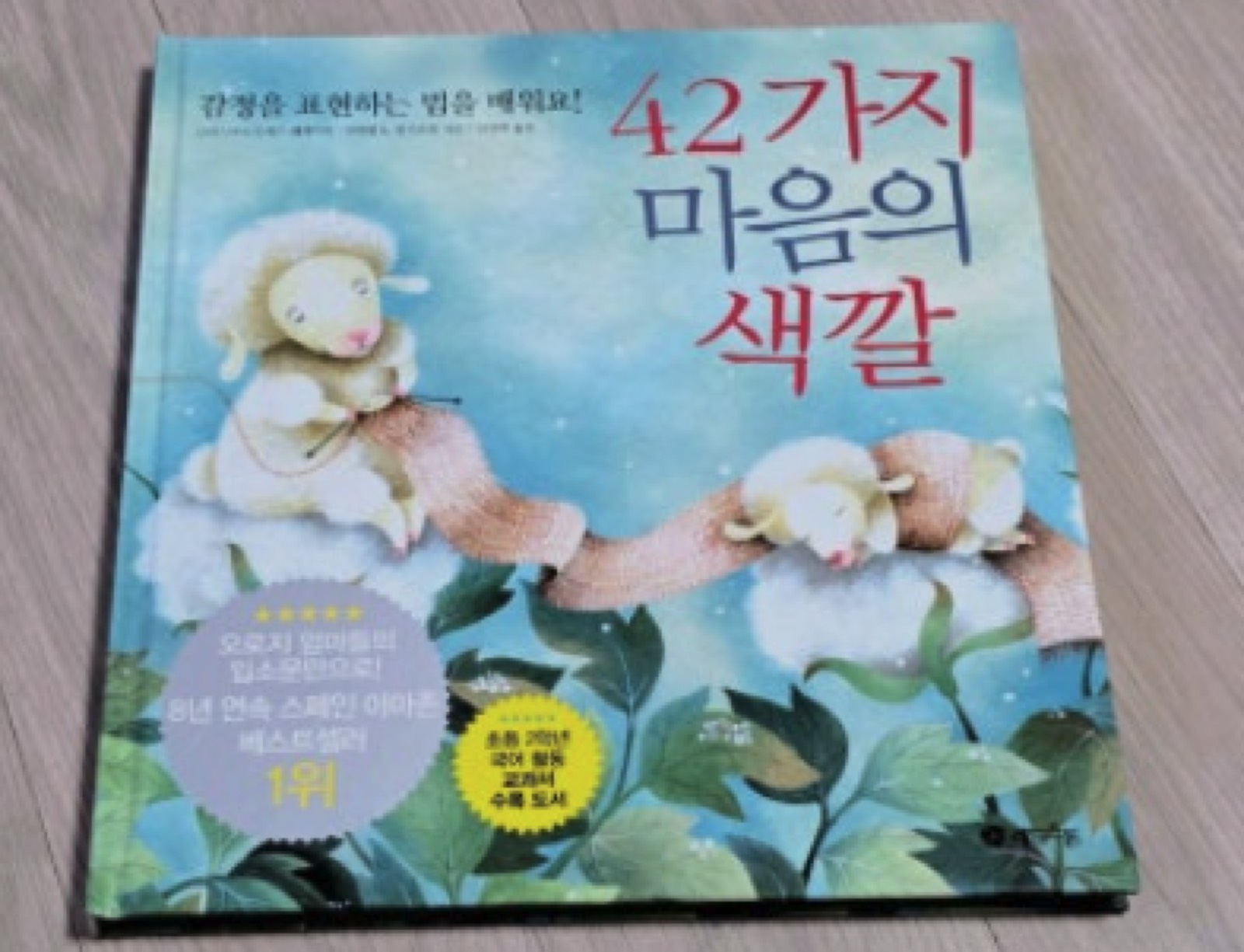
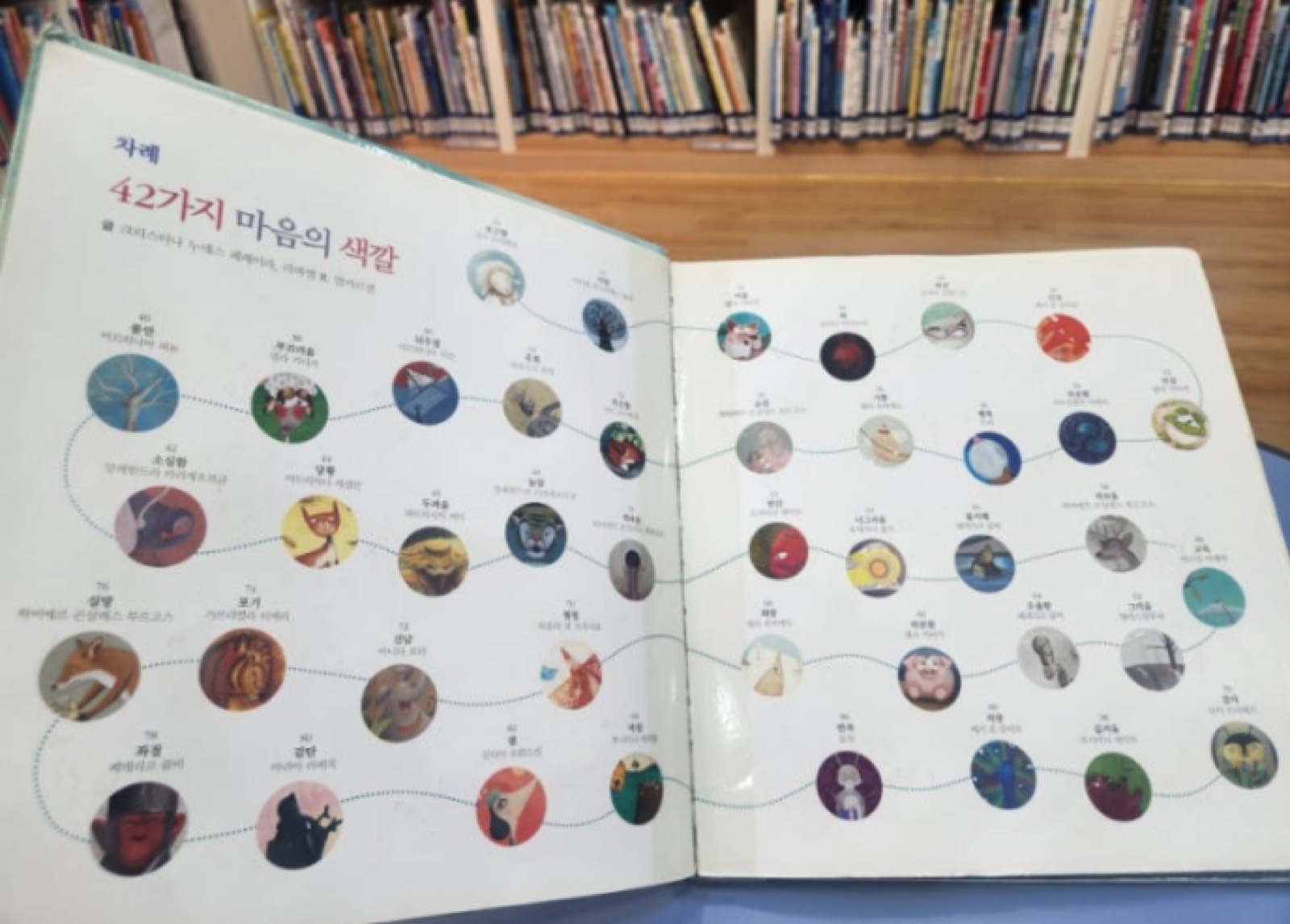
<p>To read these differences more carefully, seamspace took a step back and revisited the foundation of emotion classification itself. One of the references that helped shape this process was the well-known book <strong><em>42 Colors of Feelings</em></strong>, which is also widely known for being included in elementary school materials in Korea.</p>

<p><img src="/assets/images/46-emotions/01.jpg" alt="Reference image 1 for 42 emotions" /></p>

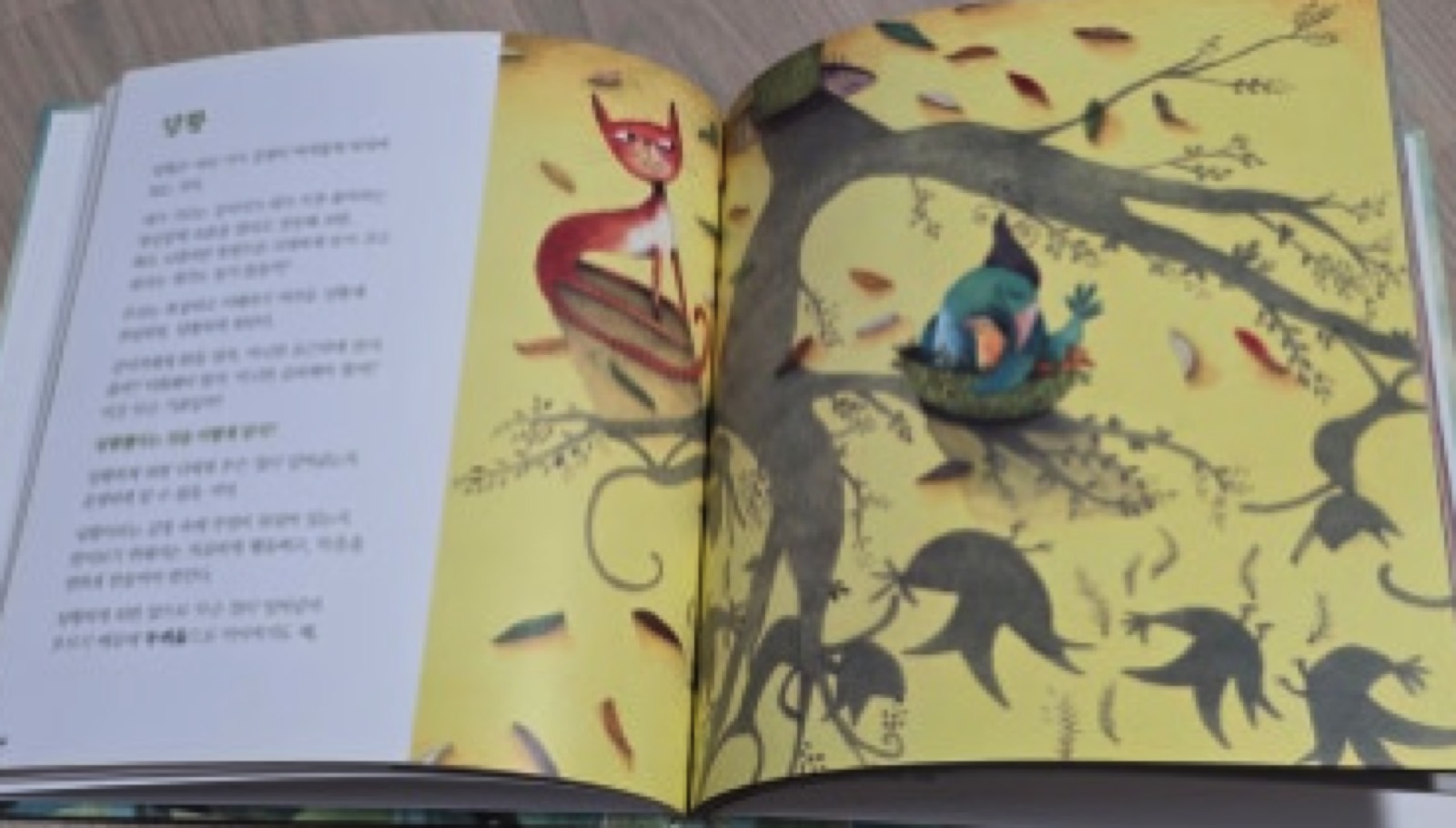
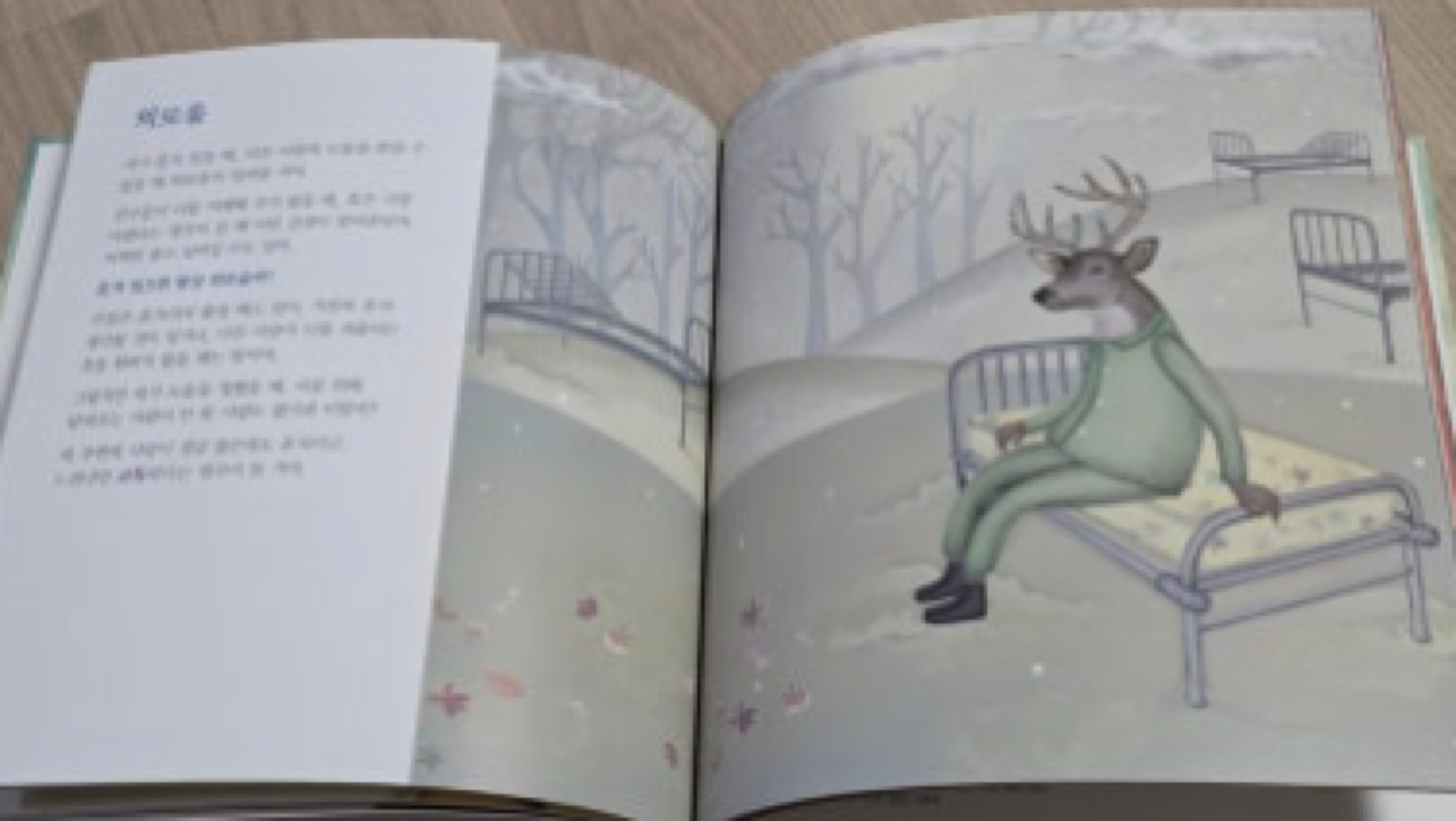
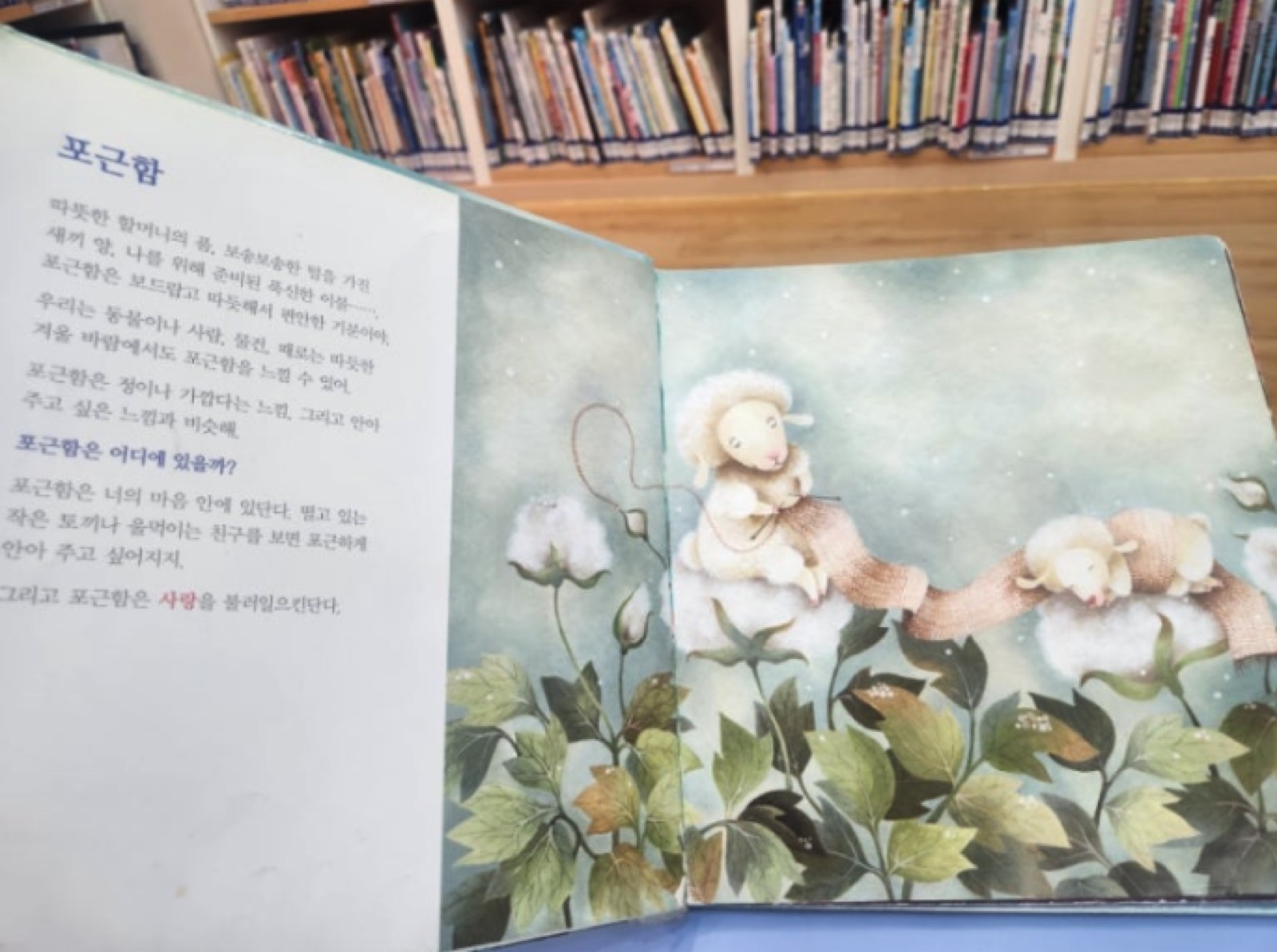
<p>What stood out to us about this book was that it does not simply list emotion names. Instead, it explains each emotion through a clear structure: its <strong>definition</strong>, a relatable <strong>example</strong>, and the kind of <strong>response</strong> that may appear when someone feels it. It treats emotions not as labels, but as living language.</p>

<p><img src="/assets/images/46-emotions/02.jpg" alt="Reference image 2 for 42 emotions" /></p>

<p><img src="/assets/images/46-emotions/03.jpg" alt="Reference image 3 for 42 emotions" /></p>

<p>This structure became especially meaningful for seamspace:</p>

<ul>
  <li><strong>Definition</strong>: What state does this emotion describe?</li>
  <li><strong>Example</strong>: In what kinds of everyday situations does it appear?</li>
  <li><strong>Response</strong>: How might a person express or react to it?</li>
</ul>

<p>It turned out to be highly relevant to diary analysis as well. In many entries, emotion words do not appear directly. Instead, what shows up are situations, behaviors, and reactions. A sentence like “My friend ignored what I said, and I felt bad all day” may reflect more than simple discomfort. It may include disappointment, hurt, loneliness, or anxiety at the same time. That is why simply matching one emotion label is not enough. We also need a structure that helps us understand the context in which the feeling appears.</p>

<p>As we continued analyzing real diary entries, however, we found that the original set of 42 emotions was not always enough. Some emotions appeared frequently in actual writing but were not part of that original framework. A few of them showed up often enough that it felt more natural—and more accurate—to treat them as their own categories.</p>

<p>So seamspace built on the original 42-emotion structure, while adding <strong>four additional emotions</strong> that appeared repeatedly in diary analysis but were not part of the original set. That is how seamspace’s <strong>46-emotion framework</strong> came together.</p>

<p><img src="/assets/images/46-emotions/04.jpg" alt="Reference image 4 for emotion structure" /></p>

<p><img src="/assets/images/46-emotions/05.jpg" alt="Reference image 5 for emotion structure" /></p>

<p>This was never about increasing the number just for the sake of detail. The real goal was to understand people’s emotions in a way that feels more natural and more precise. Emotions that look similar are often used in very different contexts, and if we miss those differences, our interpretation of someone’s daily record becomes flatter than it should be.</p>

<p>At seamspace, we built this structure not just to classify emotions better, but ultimately to <strong>understand a person’s day more deeply</strong>. On days when it is hard to put a feeling into a single word, we want to help users find language that feels a little closer to the truth. And instead of stopping at “I just felt bad,” we want their records to open into something more specific, reflective, and human.</p>

<p>We will keep refining this framework—not only as a technical system for analysis, but as a better way to help people understand their own emotions through writing.</p>]]></content><author><name>seamspace Team</name></author><category term="emotion" /><category term="diary-analysis" /><category term="emotion-framework" /><category term="behind-story" /><summary type="html"><![CDATA[A behind-the-scenes look at how seamspace started from a well-known 42-emotion structure and expanded it with four additional emotions frequently found in diary analysis.]]></summary></entry><entry xml:lang="ko"><title type="html">seamspace의 46가지 감정은 어떻게 만들어졌을까</title><link href="https://blog.seamspace.site/ko/46-emotions-behind-story/" rel="alternate" type="text/html" title="seamspace의 46가지 감정은 어떻게 만들어졌을까" /><published>2026-04-09T15:10:00+00:00</published><updated>2026-04-09T15:10:00+00:00</updated><id>https://blog.seamspace.site/ko/46-emotions-behind-story</id><content type="html" xml:base="https://blog.seamspace.site/ko/46-emotions-behind-story/"><![CDATA[<p>우리가 감정을 이해하는 방식은 생각보다 단순하지 않습니다. 비슷해 보이는 감정도 실제로는 결이 다르고, 같은 하루를 보냈더라도 누군가는 ‘서운함’으로, 또 다른 누군가는 ‘외로움’이나 ‘불안’으로 기록하곤 합니다.</p>

<p>seamspace는 이런 차이를 더 섬세하게 읽어내기 위해 감정을 분류하는 기준부터 다시 들여다보았습니다. 그 과정에서 출발점이 되어준 참고 중 하나가 바로 초등학교 2학년 교과서에도 실린 것으로 잘 알려진 <strong>『42가지 마음의 색깔』</strong>이었습니다.</p>

<p><img src="/assets/images/46-emotions/01.jpg" alt="42가지 마음의 색깔 참고 이미지 1" /></p>

<p>이 책은 감정을 단순히 이름만 나열하지 않습니다. 각각의 감정을 <strong>정의하고</strong>, 일상 속에서 어떤 장면으로 나타나는지 <strong>예시를 들고</strong>, 그 감정이 드러날 때 어떤 <strong>반응</strong>이 따라오는지를 함께 설명합니다. 감정을 살아 있는 언어로 다루는 방식이 인상적이었고, 아이가 자신의 마음을 이해하고 표현하는 데에도 큰 도움이 되는 구조라고 느꼈습니다.</p>

<p><img src="/assets/images/46-emotions/02.jpg" alt="42가지 마음의 색깔 참고 이미지 2" /></p>

<p><img src="/assets/images/46-emotions/03.jpg" alt="42가지 마음의 색깔 참고 이미지 3" /></p>

<p>특히 seamspace가 주목한 부분은 감정을 설명하는 이 구조였습니다.</p>

<ul>
  <li><strong>정의</strong>: 이 감정은 어떤 상태를 말하는가</li>
  <li><strong>예시</strong>: 실제 생활에서는 언제 이런 감정을 느끼는가</li>
  <li><strong>반응</strong>: 이 감정이 생겼을 때 사람은 어떻게 행동하거나 표현하는가</li>
</ul>

<p>이 방식은 일기를 분석할 때도 아주 잘 맞았습니다. 누군가의 글 속에는 감정 단어가 직접 등장하지 않아도, 상황과 표현, 반응이 함께 나타나는 경우가 많기 때문입니다. 이를테면 “친구가 내 말을 듣지 않아서 하루 종일 기분이 안 좋았다”는 문장 안에는 단순한 불쾌감뿐 아니라 서운함, 속상함, 외로움이 함께 섞여 있을 수 있습니다. 그래서 감정 이름만 맞추는 것보다, 그 감정이 어떤 맥락에서 드러나는지를 함께 보는 구조가 필요했습니다.</p>

<p>하지만 실제 일기 데이터를 계속 분석해보니, 참고한 42가지 감정만으로는 충분하지 않은 지점도 보였습니다. 자주 등장하지만 기존 목록에는 포함되지 않은 감정들이 있었고, 특히 사용자의 일상 기록 안에서 반복적으로 드러나는 감정 몇 가지는 별도로 다루는 것이 더 자연스럽다고 판단했습니다.</p>

<p>그래서 seamspace는 기존 42가지 감정 구조를 바탕으로 하되, 실제 일기 분석에서 자주 나타나는 감정 중 기존 목록에 없던 <strong>4가지 감정</strong>을 추가했습니다. 그렇게 해서 seamspace의 <strong>46가지 감정 체계</strong>가 완성되었습니다.</p>

<p><img src="/assets/images/46-emotions/04.jpg" alt="감정 구조 참고 이미지 4" /></p>

<p><img src="/assets/images/46-emotions/05.jpg" alt="감정 구조 참고 이미지 5" /></p>

<p>이 46가지 감정은 단순히 숫자를 늘린 결과가 아닙니다. 중요한 건 더 많이 쪼개는 것이 아니라, 사용자의 마음을 더 <strong>정확하고 자연스럽게 읽어내는 것</strong>이었습니다. 감정은 비슷해 보여도 쓰이는 맥락이 다르고, 그 차이를 놓치면 기록을 해석하는 방식도 거칠어질 수 있습니다.</p>

<p>seamspace는 감정을 더 잘 분류하기 위해서가 아니라, 결국 <strong>사람의 하루를 더 잘 이해하기 위해</strong> 이 구조를 만들었습니다. 내 감정을 한 단어로 딱 잘라 말하기 어려운 날에도, 조금 더 가까운 표현을 찾을 수 있도록. 그리고 기록된 마음이 “그냥 기분이 안 좋았어”에서 멈추지 않고, 조금 더 구체적인 언어로 이어질 수 있도록 말입니다.</p>

<p>앞으로도 seamspace는 감정을 기술적으로 분류하는 데서 그치지 않고, 사용자가 자신의 마음을 더 정확하게 돌아볼 수 있는 방식으로 이 체계를 계속 다듬어갈 예정입니다.</p>]]></content><author><name>seamspace Team</name></author><category term="감정" /><category term="일기분석" /><category term="감정분류" /><category term="behind-story" /><summary type="html"><![CDATA[아이들의 감정 언어를 다룬 책에서 출발해, 실제 일기 분석에서 자주 등장하는 감정까지 더해 seamspace만의 46가지 감정 체계를 완성한 과정을 소개합니다.]]></summary></entry><entry xml:lang="en"><title type="html">Introducing the seamspace Blog</title><link href="https://blog.seamspace.site/en/seamspace-blog-launch/" rel="alternate" type="text/html" title="Introducing the seamspace Blog" /><published>2026-04-09T12:00:00+00:00</published><updated>2026-04-09T12:00:00+00:00</updated><id>https://blog.seamspace.site/en/seamspace-blog-launch</id><content type="html" xml:base="https://blog.seamspace.site/en/seamspace-blog-launch/"><![CDATA[<h2 id="hello-">Hello! 👋</h2>

<p>Welcome to the official seamspace blog.</p>

<p>Here’s what you can expect from this blog:</p>

<ul>
  <li><strong>🚀 New Features</strong> — Be the first to know about the latest additions</li>
  <li><strong>💡 Use Cases</strong> — See how other teams are leveraging seamspace</li>
  <li><strong>📖 Tips &amp; Tricks</strong> — Get more out of seamspace with practical advice</li>
  <li><strong>🗺️ Roadmap</strong> — A look at what’s coming next</li>
</ul>

<p>Stay tuned for more!</p>

<h2 id="subscribe">Subscribe</h2>

<p>Want to get notified when we publish new posts? Subscribe to our <a href="/feed.xml">RSS feed</a>.</p>

<hr />

<p><em>Building better experiences together with seamspace.</em></p>]]></content><author><name>seamspace Team</name></author><category term="seamspace" /><category term="blog" /><category term="launch" /><summary type="html"><![CDATA[Welcome to the official seamspace blog — your source for new features, use cases, and tips.]]></summary></entry><entry xml:lang="ko"><title type="html">seamspace 블로그를 시작합니다</title><link href="https://blog.seamspace.site/ko/seamspace-blog-launch/" rel="alternate" type="text/html" title="seamspace 블로그를 시작합니다" /><published>2026-04-09T12:00:00+00:00</published><updated>2026-04-09T12:00:00+00:00</updated><id>https://blog.seamspace.site/ko/seamspace-blog-launch</id><content type="html" xml:base="https://blog.seamspace.site/ko/seamspace-blog-launch/"><![CDATA[<h2 id="안녕하세요-">안녕하세요! 👋</h2>

<p>seamspace 공식 블로그에 오신 것을 환영합니다.</p>

<p>이 블로그에서는 다음과 같은 내용을 다룹니다:</p>

<ul>
  <li><strong>🚀 신규 기능 소개</strong> — 새로 추가된 기능을 가장 먼저 만나보세요</li>
  <li><strong>💡 사용 사례</strong> — 다른 팀들은 seamspace를 어떻게 활용하고 있을까요?</li>
  <li><strong>📖 팁 &amp; 트릭</strong> — seamspace를 더 효과적으로 사용하는 방법</li>
  <li><strong>🗺️ 로드맵</strong> — 앞으로의 계획을 공유합니다</li>
</ul>

<p>앞으로 많은 관심 부탁드립니다!</p>

<h2 id="블로그-구독">블로그 구독</h2>

<p>새 글이 올라올 때 알림을 받고 싶다면 <a href="/feed.xml">RSS 피드</a>를 구독해주세요.</p>

<hr />

<p><em>seamspace와 함께 더 나은 경험을 만들어가겠습니다.</em></p>]]></content><author><name>seamspace Team</name></author><category term="seamspace" /><category term="블로그" /><category term="런칭" /><summary type="html"><![CDATA[seamspace의 새로운 기능, 사용 사례, 팁을 공유하는 공식 블로그입니다.]]></summary></entry></feed>