

How social-emotional learning changes teachers and classrooms
Based on research on curriculum-based SEL programs, this post explains why seamspace treats emotion, relationships, and self-understanding as foundational—not optional—in education.
Can education that focuses on emotion and relationships truly change the classroom? And if it does, does that change stay only at the level of children’s feelings—or can it also reshape the way teachers interact, teach, and manage the learning environment?
At seamspace, we believe this question matters deeply. The reason we place emotion, relationships, and self-understanding at the center is not because they sound good in theory, but because there is growing research suggesting that these elements can lead to observable changes in real educational settings.
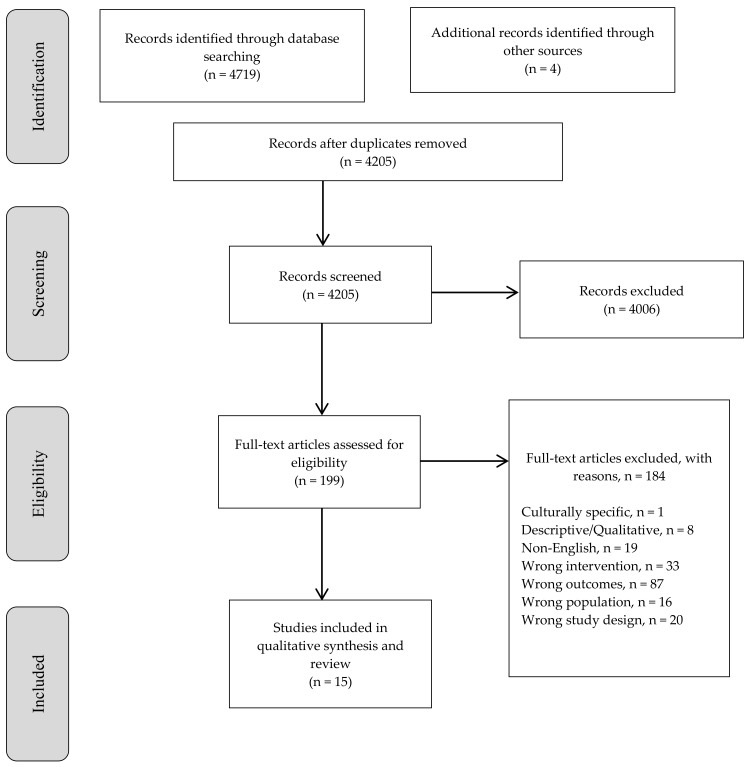
A systematic review by Blewitt, O’Connor, Morris, Mousa, Bergmeier, Nolan, Jackson, Barrett, and Skouteris (2020) examined how curriculum-based social and emotional learning (SEL) programs in early childhood education and care affect teacher outcomes.
One of the most meaningful findings from this review is that SEL programs do not simply support children’s emotional development. They also appear to improve teacher behavior and overall classroom quality.
One result highlighted in the review was that teachers who delivered the Tools of the Mind curriculum showed significantly higher productivity, meaning better management of instructional time and classroom routines, compared with control group teachers. Teacher sensitivity—the ability to respond to children and provide a secure emotional base—also moved in a more positive direction.
In addition, these teachers used more scaffolding techniques, created a richer literacy learning environment, and received higher scores on broader measures of classroom quality.
Another analysis suggested that teachers in intervention groups became less harsh or critical, and less inconsistent or overly permissive over time. At the same time, they appeared more warm and affectionate, and placed greater emphasis on social-emotional teaching in their classrooms.
This is closely aligned with what seamspace sees as essential. Emotion and relationships are not secondary add-ons to education. They can become a central force that shapes the quality of interaction and the emotional climate of the classroom itself.
This is why seamspace looks carefully at daily records, emotions, and relational patterns. Understanding a child’s day is not just about identifying a temporary feeling. It is also about seeing how that feeling emerged within relationships, what emotional patterns are repeated over time, and how teachers and caregivers can respond in ways that create a safer and warmer environment.
Education is often discussed as if it were only about delivering knowledge. But real classrooms are emotionally dense spaces. Children learn better when they feel safe, and teachers are more responsive and consistent when the emotional environment is better regulated. Research helps make that connection visible.
For that reason, seamspace does not treat emotional records and social-emotional understanding as optional features. They are part of the foundation for understanding children more deeply and, ultimately, for building healthier classrooms and better interactions.
Going forward, seamspace will continue to build on this kind of research—not just to analyze emotion technically, but to support meaningful change in real educational practice.
Reference
Blewitt, C., O’Connor, A., Morris, H., Mousa, A., Bergmeier, H., Nolan, A., Jackson, K., Barrett, H., & Skouteris, H. (2020). Do curriculum-based social and emotional learning programs in early childhood education and care strengthen teacher outcomes? A systematic literature review. International Journal of Environmental Research and Public Health, 17(3), 1–23.