

Emotional Awareness: The Key to Academic Achievement
Research reveals that social-emotional learning (SEL) goes beyond emotion management to directly improve academic achievement. Discover how emotional stability leads to better focus and learning efficiency.
Academic Achievement Requires More Than Cognitive Ability
Traditionally, schools have measured academic success primarily through cognitive ability and study volume. However, emerging research reveals a compelling truth: a student’s emotional state is a cornerstone of academic success.
The Virtuous Cycle: Emotional Stability → Focus → Learning Efficiency
Social-Emotional Learning (SEL) is an educational approach that helps students recognize and manage their emotions. Remarkably, evidence continues to accumulate showing that these programs directly enhance academic achievement and study skills.
A recent meta-analysis (Cipriano et al., 2023) provides compelling proof that “SEL programming improves academic achievement and study skills.” This research synthesized universal, school-based SEL intervention programs and their impacts.
How does this mechanism work?
- Emotional Awareness: Students accurately identify their emotional state
- Emotional Regulation: Manage negative emotions while maintaining positive states
- Enhanced Focus: Stable emotional conditions enable concentrated learning
- Improved Learning Efficiency: Deeper engagement and higher achievement
Academic Success Is Inseparable from Emotional Wellbeing
The Collaborative for Academic, Social, and Emotional Learning (CASEL) further supports this connection, demonstrating that students’ social-emotional development is fundamental to safe, healthy learning environments.
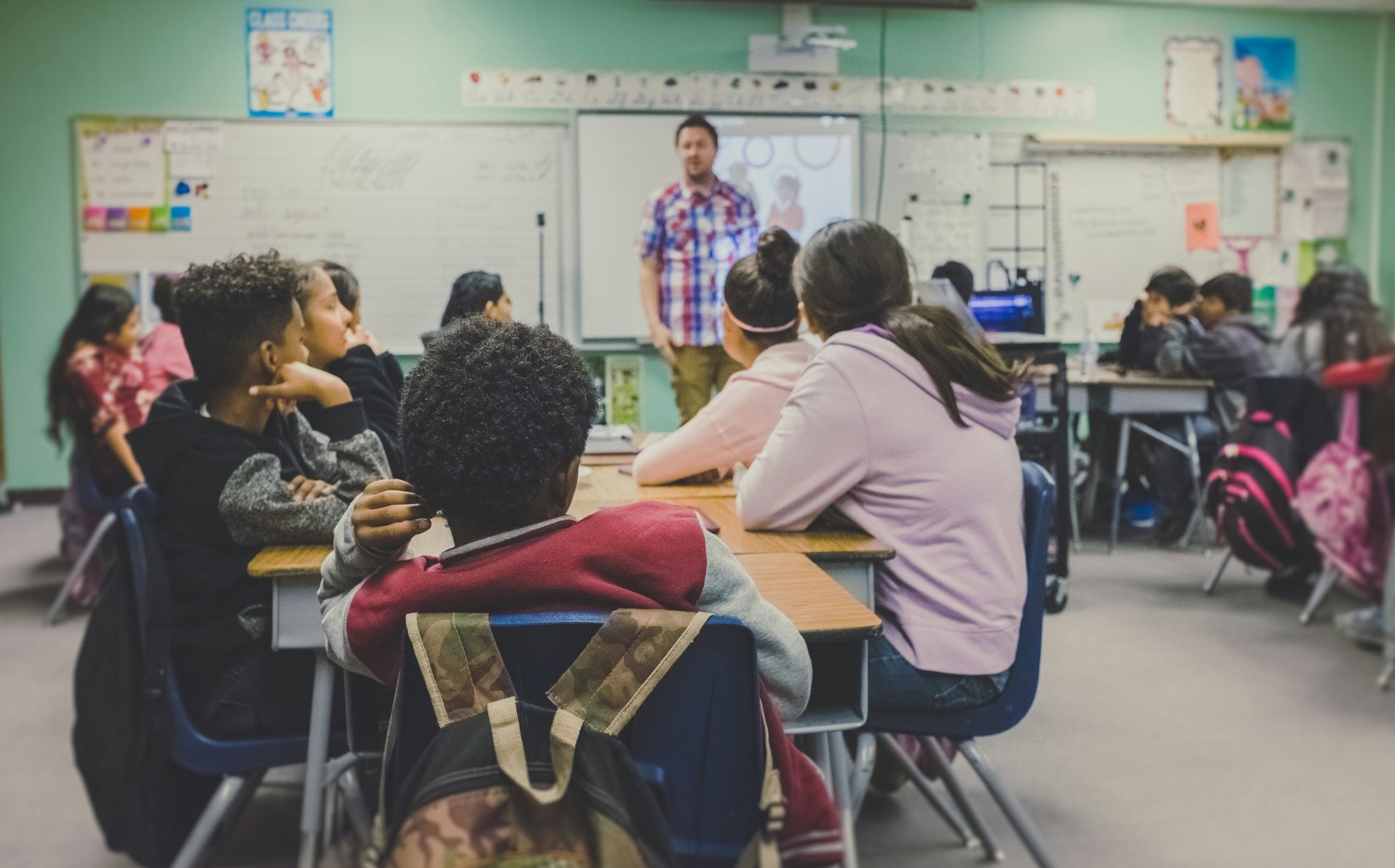
Consider a real classroom scenario: an anxious student struggles to concentrate on lessons. Conversely, a student equipped with emotional awareness and regulation skills can immerse themselves in meaningful learning goals.
seamspace’s Innovative Solution
Building on these insights, seamspace implements AI 마음일기 (AI Emotion Diary) to make student emotional states visible and measurable. Key features include:
- Emotion Scores: Quantifies students’ daily emotional state
- Traffic Light System: At a glance, educators and parents can see readiness levels—green (stable), yellow (caution), red (needs support)
With this system, teachers and parents can anticipate optimal learning states and provide timely emotional support when needed.
Conclusion
Academic achievement is no longer solely about memorization and problem-solving. Student emotional wellbeing is the foundation of learning efficiency. With seamspace’s emotion-awareness tools, experience what true academic success looks like—the integration of heart and mind.