

How Emotional Expression Transforms Peer Relationships
Discover how students' ability to express their emotions impacts social behavior in the classroom. Learn why emotional education is key to resolving relationship conflicts.
Why Do Peer Relationships Keep Breaking Down?
There’s a common question heard increasingly in schools: “Why do students today have so many conflicts with peers?” Conflicts between classmates are growing, and identifying relationship problems early has become more challenging.
Many teachers and parents have traditionally approached these issues as behavioral problems to correct. Punish the fighting students, enforce stricter rules, and implement consequences. But the root of the problem runs much deeper.
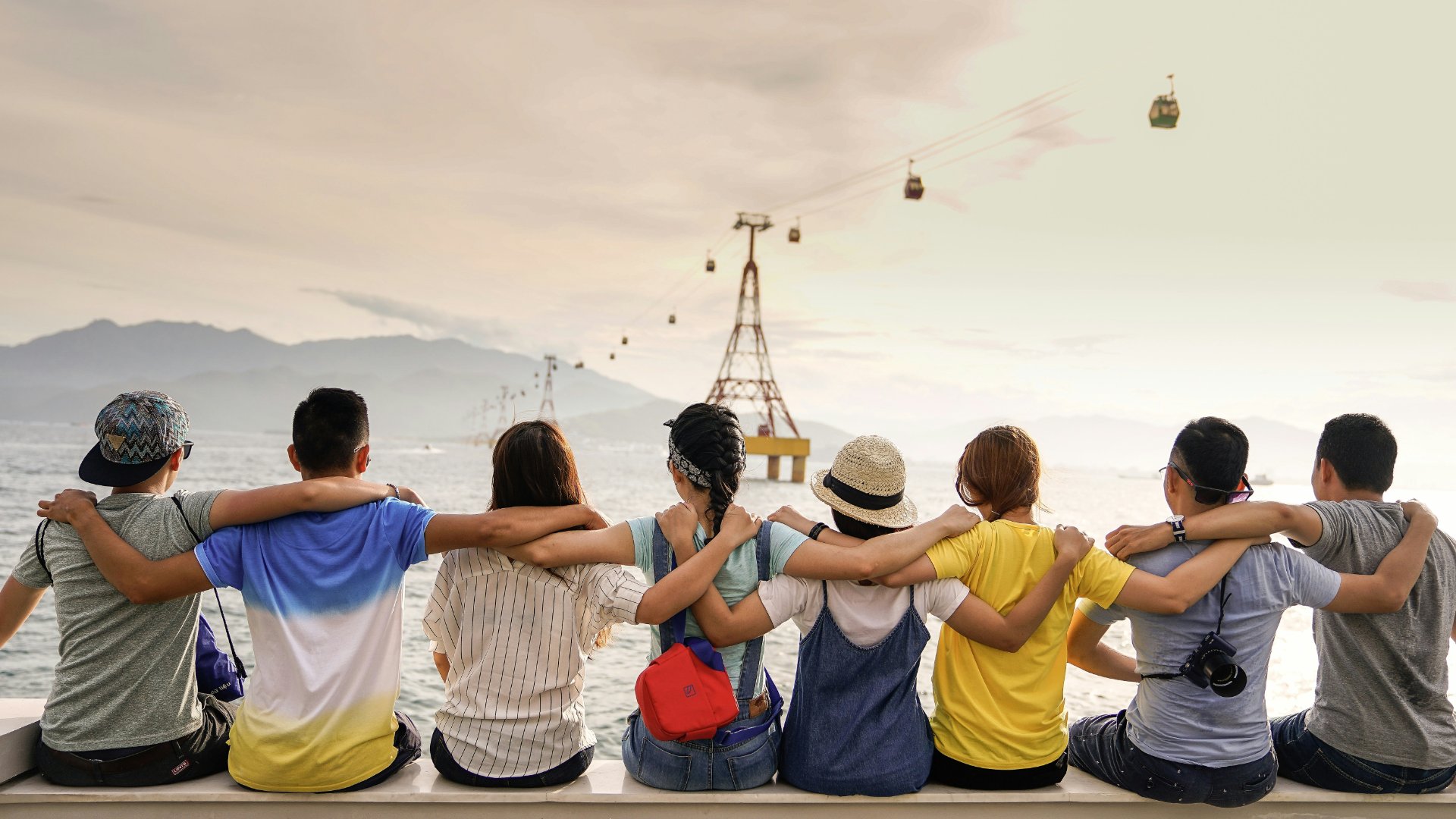
Emotional Expression Ability: The Key to Social Behavior
According to recent meta-analysis research, social-emotional learning (SEL) interventions significantly improved peer relationships and social behaviors (Durlak et al., 2011). This sends us an important message.
The solution to relationship problems doesn’t lie in behavioral correction—it starts with strengthening emotional competencies.
Imagine if students could clearly recognize their own feelings and express them appropriately:
- They would respond thoughtfully rather than emotionally in conflict situations
- They would better understand and empathize with friends’ feelings
- They could share their authentic selves within relationships
Seamspace’s Approach: Creating Real Change
Seamspace goes beyond simple emotion education to design a structure that creates actual behavioral change.
Through the three-part framework of emotion selection + diary + peer comments:
- Emotion Selection: Students recognize and choose their daily emotions
- AI Mind Journal (AI 마음일기): They express the story behind those emotions through writing
- Peer Interaction: Through friends’ comments, they experience empathy and connection
Within this process, students move beyond simply knowing their emotions to learning how to express them authentically and discovering how to understand others’ emotional worlds.
Relationships Begin With Understanding, Not Correction
The answer to “How do I become a good friend?” isn’t found in a rulebook. It emerges naturally when students know their own hearts, express them genuinely, and respect others’ hearts.
With seamspace, watch as your students’ emotional capacity grows into genuine social skills.