

How seamspace built its 46-emotion framework
A behind-the-scenes look at how seamspace started from a well-known 42-emotion structure and expanded it with four additional emotions frequently found in diary analysis.
The way we understand emotions is rarely simple. Two feelings may look similar on the surface, yet carry very different textures. Even after living through the same kind of day, one person may describe it as disappointment, while another experiences it as loneliness or anxiety.
To read these differences more carefully, seamspace took a step back and revisited the foundation of emotion classification itself. One of the references that helped shape this process was the well-known book 42 Colors of Feelings, which is also widely known for being included in elementary school materials in Korea.
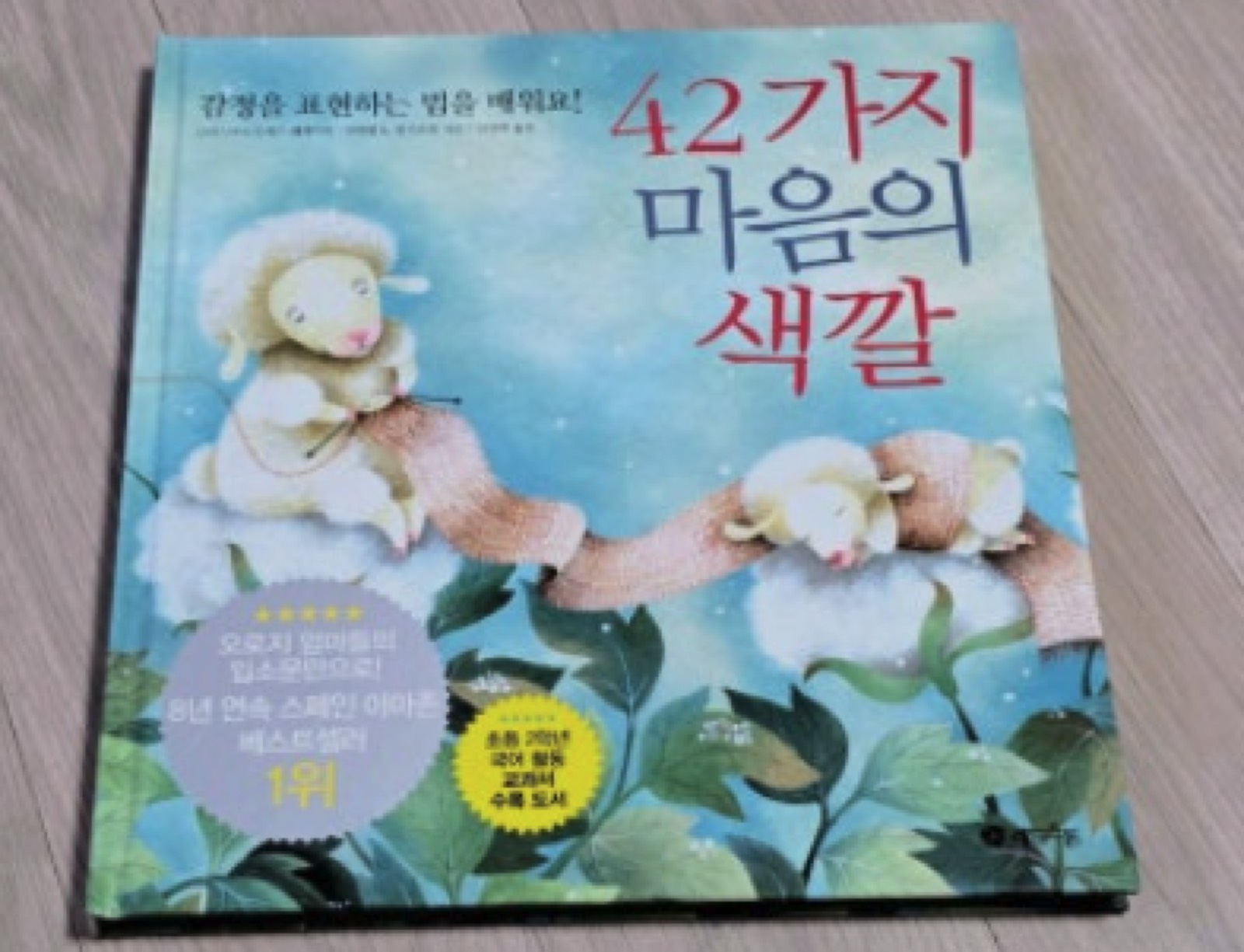
What stood out to us about this book was that it does not simply list emotion names. Instead, it explains each emotion through a clear structure: its definition, a relatable example, and the kind of response that may appear when someone feels it. It treats emotions not as labels, but as living language.


This structure became especially meaningful for seamspace:
- Definition: What state does this emotion describe?
- Example: In what kinds of everyday situations does it appear?
- Response: How might a person express or react to it?
It turned out to be highly relevant to diary analysis as well. In many entries, emotion words do not appear directly. Instead, what shows up are situations, behaviors, and reactions. A sentence like “My friend ignored what I said, and I felt bad all day” may reflect more than simple discomfort. It may include disappointment, hurt, loneliness, or anxiety at the same time. That is why simply matching one emotion label is not enough. We also need a structure that helps us understand the context in which the feeling appears.
As we continued analyzing real diary entries, however, we found that the original set of 42 emotions was not always enough. Some emotions appeared frequently in actual writing but were not part of that original framework. A few of them showed up often enough that it felt more natural—and more accurate—to treat them as their own categories.
So seamspace built on the original 42-emotion structure, while adding four additional emotions that appeared repeatedly in diary analysis but were not part of the original set. That is how seamspace’s 46-emotion framework came together.
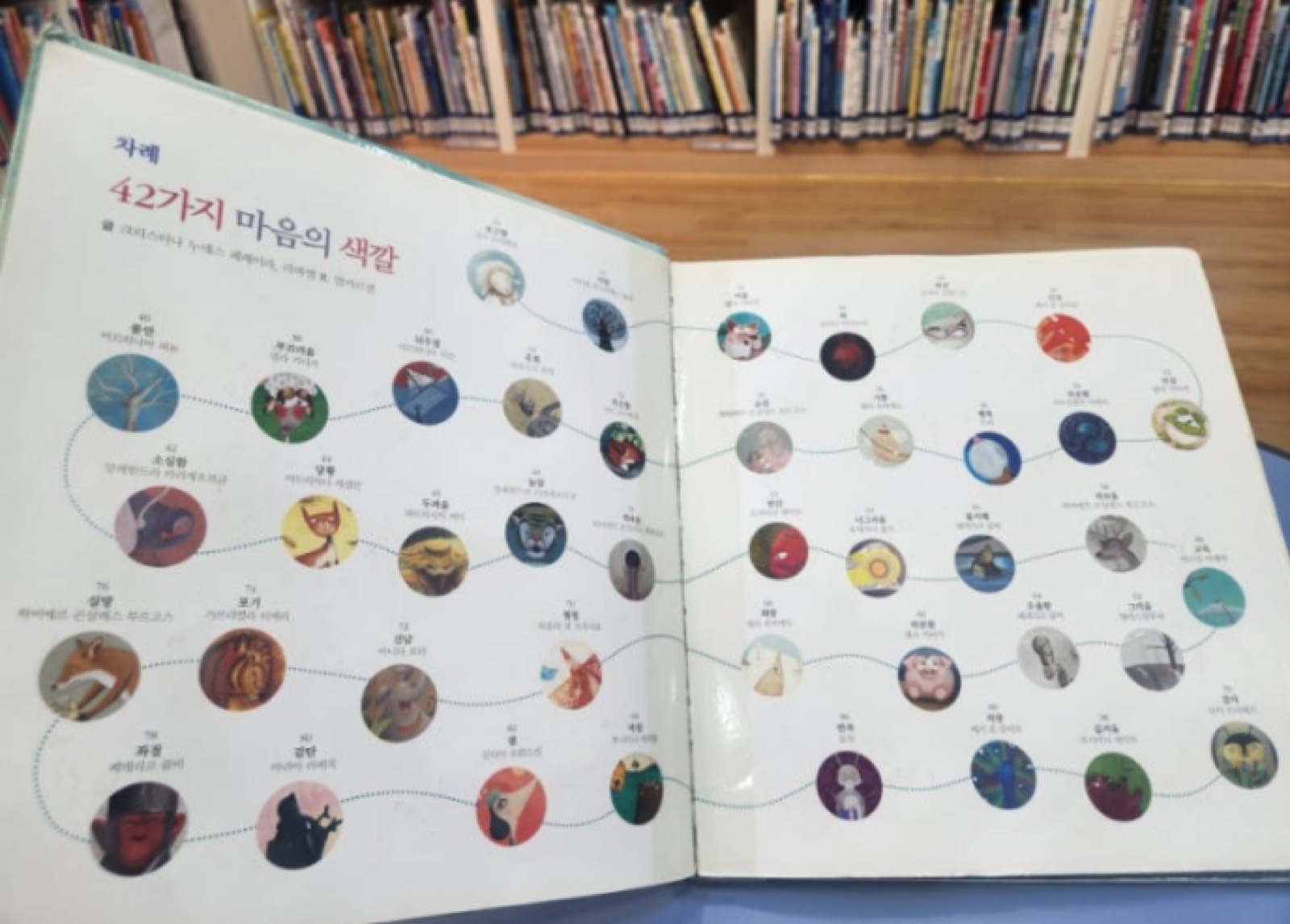

This was never about increasing the number just for the sake of detail. The real goal was to understand people’s emotions in a way that feels more natural and more precise. Emotions that look similar are often used in very different contexts, and if we miss those differences, our interpretation of someone’s daily record becomes flatter than it should be.
At seamspace, we built this structure not just to classify emotions better, but ultimately to understand a person’s day more deeply. On days when it is hard to put a feeling into a single word, we want to help users find language that feels a little closer to the truth. And instead of stopping at “I just felt bad,” we want their records to open into something more specific, reflective, and human.
We will keep refining this framework—not only as a technical system for analysis, but as a better way to help people understand their own emotions through writing.